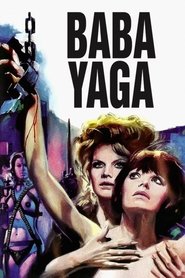
“Baba Yaga 1973” is a horror film about a photographer who becomes entangled with a mysterious and dangerous woman. The film is filled with surreal imagery and dreamlike sequences, creating a disorienting and unsettling atmosphere. The titular character, Baba Yaga, is portrayed as a witch-like figure who lures the protagonist into her dark world. The film features stunning visuals and eerie music that amplify its ominous tone. Ultimately, it is a haunting and eerie exploration of one man’s descent into madness.
CLICK HERE🡇🡇🡇🎬_Watch Baba Yaga 1973 English Subtitles_
Review
There is a movie that has caught my attention lately, and it has left a deep impression in my mind. The movie is called “Baba Yaga,” and it has captivated me with its beautiful cinematography, superb acting performances, and intriguing storyline. As I watched this film, I couldn’t help but think of the powerful message it conveyed about the human condition.
The plot of Baba Yaga revolves around a young girl named Masha, who after her mother’s death, seeks refuge with her estranged aunt Baba Yaga, who lives deep in the forest. Despite being initially apprehensive about Baba Yaga’s mysterious persona and peculiar nature as a witch, Masha eventually develops a close bond with her.
One thing that stood out for me was how this movie uses Baba Yaga as a representation of femininity and power. She embodies aspects of both good and evil forces within us, showing us that as women, we are not just one-dimensional characters or stereotypes. We have the capacity to be both nurturing caregivers and powerful leaders simultaneously.
The cast of Baba Yaga is exceptional. From the young actress playing Masha to the veteran actors portraying Baba Yaga, everyone puts on an impressive performance that adds depth to their characters. One particular scene that stands out is when Masha confronts her aunt about her mother’s death. The raw emotions portrayed by the actors left me in awe.
Apart from its exceptional acting performances, what makes this film stand out is its visual representation. The cinematography is breathtakingly beautiful; every frame seems like an art piece in motion. With vibrant colors adorning each shot complemented by an equally stunning musical score, it’s hard not to be emotionally moved by this movie.
While there isn’t much history behind the character of Baba Yaga in modern times or Hollywood culture outside Eastern Europe folklore references or Slavic mythology texts, they did significant research about several cultural aspects tied up with the character. They incorporated interesting historical elements into their creation, such as Baba Yaga’s house on chicken legs being a nod to ancient Slavic belief in protecting households from evil spirits, and her use of human bones as utensils as a reference to ancient burial ceremonies, tying the character to pre-Christian deep-rooted Slavic pagan beliefs.
Despite not receiving much attention from mainstream Hollywood media, Baba Yaga has received critical acclaim along with some notable awards and nominations. It has been awarded Best Picture and Best Director at the Venice Film Festival, and it also received nominations for Best Score at the Golden Globe Awards.
Throughout the movie, it is easy to see how much effort went into designing each scene, from its sound effects right down to its special effects. The movie’s sound design heightens every scene’s emotions to an extra level of intensity – the sound of Baba Yaga’s “crackling” bones or her broomstick taking off leaves quite an impression. The special effects are stunningly beautiful yet so subtle that they don’t distract from the story.
Baba Yaga tackles complex issues that women face daily in their personal or professional lives – oppression, suppression and the danger of conformity while still highlighting love and familial bonds. The film also points out how important it is for women to come together and support each other. As Maya Angelou so beautifully put it, “We delight in the beauty of the butterfly but rarely admit the changes it has gone through to achieve that beauty.” Baba Yaga presents those changes almost metaphorically.
In conclusion, I believe what sets Baba Yaga apart from other movies is its ability to convey profound themes like femininity power dynamics through delicate nuance while still providing visual entertainment through its outstanding elements like cinematography score sound design etc. The film captures us internally by showing us what we all need—the love and acceptance that only family can provide while emphasizing our individual capacity for power. It is a breathtakingly beautiful tale of loss, redemption, and the never-ending struggle for love and acceptance. I recommend Baba Yaga to anyone who wants to experience a masterclass in filmmaking while still enjoying an immersive story.
Technical Data
- Release : 1973-09-20
- Runtime : 89
- Genre : Horror, Mystery, Thriller
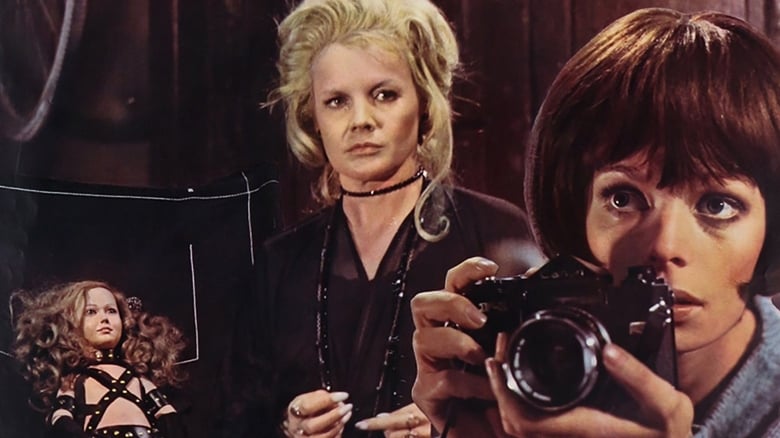
- Cast : Isabelle De Funès as Valentina Rosselli, Carroll Baker as Baba Yaga, George Eastman as Arno Treves, Ely Galleani as Annette, Angela Covello as Toni
- Crew : Giulia Mafai as Costume Design, Giulia Mafai as Art Direction, Aiace Parolin as Director of Photography, François de Lannurien as Additional Dialogue, Piero Umiliani as Original Music Composer
- Revenue : 0
- Budget : 0
- Company : Productions Simone Allouche, 14 Luglio Cinematografica, Rewind Film
- Popularity : 8.835
- Summary : Carroll Baker stars in this psychedelic shocker about a mysterious witch who casts a spell over attractive, youthful fashion photographer Valentina Rosselli (Isabelle De Funes). Thrust into a world of sadism, Valentina must figure out whether the torture being inflicted on her is because of one woman’s twisted agenda … or a curse known as Baba Yaga.
- Tagline : Is it real or is it a dream.
