In “Flesh for Frankenstein 1973,” a mad scientist creates a creature using body parts from deceased individuals.
He creates the perfect being, but it turns out to be a monster with no compassion.
The film is full of gore, romance, and suspense.
It’s a twisted take on the classic Frankenstein tale, with plenty of sex and violence.
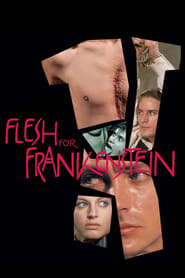
CLICK HERE⭣⭣⭣📺_Watch Flesh for Frankenstein 1973 English Subtitles_
Review
Flesh for Frankenstein: a Horror Classic with Lessons in Persuasion
As a classic horror film that has spawned countless imitators and inspired an entire genre, Flesh for Frankenstein is a movie that stands the test of time. Directed by Paul Morrissey and produced by Andy Warhol, the film tells the story of Baron Frankenstein (played by Udo Kier), a mad scientist who creates two monsters for his personal pleasure. But beyond its gruesome visuals and terrifying plot, Flesh for Frankenstein offers valuable insights into the art of persuasion.
The storyline follows Baron Frankenstein as he becomes obsessed with creating the perfect male and female creatures. He enlists the help of his assistant Otto (Arno Juerging) but struggles to find suitable body parts until he discovers a poor family living nearby. He proceeds to murder them in cold blood to obtain the necessary components.
Meanwhile, Baron Frankenstein’s wife Katrin (Monique van Vooren) begins an affair with her brother-in-law Nicholas (Joe Dallesandro), leading to a complex web of deceit and betrayal. As tensions rise between all parties involved, the two monstrous creations start causing chaos and destruction, ultimately leading to a bloody showdown.
While elements of the plot may seem grotesque or even disturbing to some viewers, it’s important to remember that horror films often serve as a reflection of societal fears and anxieties. Flesh for Frankenstein explores themes such as power, gender roles, class dynamics, and sexual desire in a way that challenges traditional norms.
From a persuasion standpoint, there are many takeaways from this film. For one thing, Baron Frankenstein represents the archetype of a charismatic leader – someone who is able to convince others to follow their vision despite any moral objections or rational doubts. He uses his intellectual prowess and manipulative techniques (such as flattery and threats) to convince Otto to aid him in his gruesome experiments.
Additionally, Katrin’s seduction of Nicholas illustrates the power of attraction and how it can be used to influence others. While her actions may ultimately lead to her downfall, her ability to manipulate Nicholas through her sexuality is an undeniable force.
The cast of Flesh for Frankenstein is also worth noting. Udo Kier delivers a memorable performance as the deranged Baron, and his chemistry with Monique van Vooren adds an extra layer of complexity to their characters’ motivations. Joe Dallesandro, who was known for his appearances in Warhol’s films, brings a rugged masculinity to the role of Nicholas.
As for the film’s production and reception, it was originally released in 1973 under the title Andy Warhol’s Frankenstein. It was later re-edited and re-titled Flesh for Frankenstein to capitalize on the popularity of gore-horror films. Despite mixed critical reviews at the time, it has since gained a cult following and is often cited as a classic example of Euro-horror cinema.
The score for Flesh for Frankenstein is composed by Claudio Gizzi and features eerie soundscapes that heighten the film’s unsettling atmosphere. The use of practical effects (such as fake blood and prosthetics) adds authenticity to the gore scenes, while some viewers may find them overly graphic or disturbing.
In terms of special effects, one sequence worth noting takes place near the end of the film when Katrin’s monstrous creation gives birth to a litter of deformed babies. The use of puppetry and makeup gives these creatures a grotesque appearance that adds to the film’s overall sense of dread.
From a technical standpoint, Flesh for Frankenstein demonstrates Morrissey’s skill as a director in capturing both suspenseful moments and dramatic tension. The dialogue between characters is often witty and cleverly written, which helps elevate the film beyond its horror trappings.
Criticism has been levied at Flesh for Frankenstein over its depiction of violence and gore, which some argue is exploitative or gratuitous. However, others argue that the film’s use of shock tactics is necessary to convey the inherent cruelty and madness of its characters.
In conclusion, Flesh for Frankenstein is a horror classic that offers valuable insights into the art of persuasion. From the charismatic leadership of Baron Frankenstein to Katrin’s seductive influence over Nicholas, there are many lessons to be learned from this film. And while its graphic violence may not be for everyone, it remains a testament to the power of horror cinema in exploring societal fears and anxieties.
Technical Data
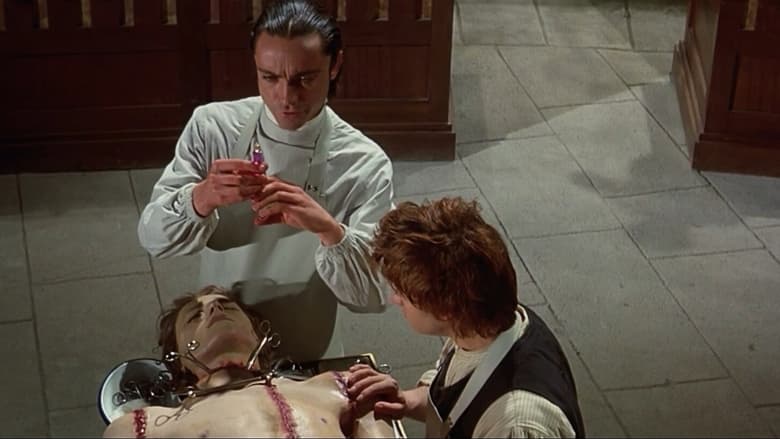
- Release : 1973-11-30
- Runtime : 95
- Genre : Horror
- Cast : Joe Dallesandro as Nicholas, Monique van Vooren as Baroness Katrin Frankenstein, Udo Kier as Baron Frankenstein, Arno Juerging as Otto, Dalila Di Lazzaro as Female Monster
- Crew : Carlo Ponti as Producer, Antonio Margheriti as Makeup Effects, Antonio Margheriti as Special Effects Makeup Artist, Antonio Margheriti as Second Unit Director, Carlo Rambaldi as Special Effects
- Revenue : 0
- Budget : $450,000
- Company : Braunsberg Productions, Carlo Ponti Cinematografica, Bryanston Distributing
- Popularity : 9.598
- Summary : Within the decadent walls of the Frankenstein mansion, the Baron and his depraved assistant Otto have discovered the means of creating new life. As the Baron’s laboratory begins to fill up with stitched body parts, the Baroness dallies with the randy new manservant and soon the decadent, permissive household is consumed by an outrageous, bizarre, and hilarious orgy of death and dismemberment.
- Tagline : We dare you to see…
