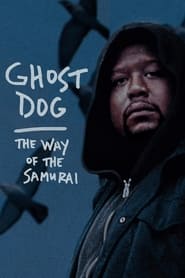
Ghost Dog is a hitman who follows the ancient samurai code. He sees himself as a modern warrior, like a samurai on his path to destiny. His sense of loyalty and honor is put to the test as he becomes embroiled in a gang war between two mob families. Ghost Dog must choose between following his code and fulfilling his job duties or breaking it to save innocent lives. The film is a meditation on violence, loyalty, and tradition in the modern world.
CLICK HERE🠇🠇🠇📺_Watch Ghost Dog: The Way of the Samurai 1999 English Subtitles_
Review
In the world of film, there are few works as enigmatic and riveting as Jim Jarmusch’s “Ghost Dog: The Way of the Samurai.” The 1999 movie is a triumph of visual storytelling and gripping narrative, effortlessly weaving themes of loyalty, honor, and purpose into its tale of a lone hitman who lives by the ancient code of the samurai.
The film stars Forest Whitaker in what may be his finest performance to date. He plays Ghost Dog, a quiet and introspective assassin who follows the Samurai philosophy with unwavering dedication. His employers are mobsters who pay him for his services, but Ghost Dog has a strict code of ethics that he adheres to. When these ethics conflict with his work, he finds himself in an impossible situation that puts his life in peril.
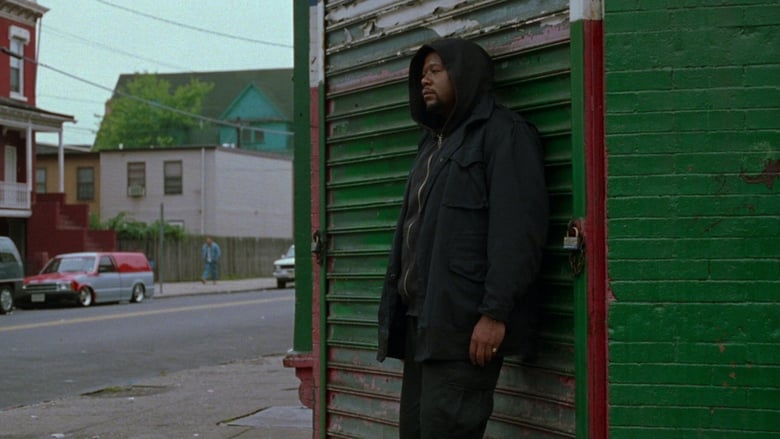
The movie takes place primarily in Jersey City, where Ghost Dog lives on a rooftop with his beloved pigeons. He communicates with his associates via carrier pigeon and gets orders for hits through a mysterious man named Louie (John Tormey). In addition to Whitaker’s standout turn as Ghost Dog, there are also memorable performances from Henry Silva as mob boss Ray Vargo and Cliff Gorman as Vargo’s right-hand man Sonny Valerio.
One of the most striking elements of “Ghost Dog” is its use of intertextuality. The film draws heavily from classic samurai cinema, particularly Akira Kurosawa’s “Yojimbo” and Jean-Pierre Melville’s “Le Samourai.” It also features various references to hip-hop culture (Ghost Dog is a Wu-Tang Clan fan) and even includes scenes from David Mamet’s play “Glengarry Glen Ross.”
But Jarmusch manages to give these disparate elements a sense of cohesion that transcends any one genre or style. The result is a film that feels both timeless and contemporary, blending ancient traditions with modern sensibilities in a way that is uniquely compelling.
The film’s plot revolves around a single hit that Ghost Dog is hired to carry out. But as he completes the task, things start to go awry. His employers turn on him, and he finds himself hunted by both the mob and the police. As he fights to survive, Ghost Dog grapples with questions of loyalty, duty, and morality.
The script for “Ghost Dog” is sharp and incisive, full of memorable lines that stick in the mind long after the credits have rolled. One standout moment comes when Ghost Dog explains why he chose to live by the Samurai code: “It’s a code that teaches you how to live without fear,” he says. “If you can do that, then you can do anything.”
Another memorable element of the film is its score by RZA of Wu-Tang Clan fame. The music perfectly complements the movie’s tone and themes, mixing traditional Japanese instruments with hip-hop beats to create something truly unique.
Despite its critical acclaim and cult following, “Ghost Dog” was not a commercial success upon its initial release. But over time, it has become recognized as one of Jarmusch’s greatest works and a testament to Whitaker’s talent as an actor.
In addition to its many virtues as a piece of art, “Ghost Dog” also serves as a fascinating commentary on American capitalism and society at large. The film presents us with characters who are driven by greed and power but also shows us an alternative way of life based on honor and integrity.
All in all, “Ghost Dog: The Way of the Samurai” is a brilliant example of what independent cinema can achieve when given the chance. It’s a movie that defies easy categorization but rewards those who are willing to engage with it on a deeper level. If you haven’t seen it yet, do yourself a favor and give it a watch. You won’t be disappointed.
Technical Data
- Release : 1999-06-02
- Runtime : 116
- Genre : Crime, Drama
- Cast : Forest Whitaker as Ghost Dog, John Tormey as Louie, Isaach De Bankolé as Raymond, Cliff Gorman as Sonny Valerio, Henry Silva as Ray Vargo
- Crew : Robby Müller as Director of Photography, Jay Rabinowitz as Editor, Ellen Lewis as Casting, Jim Jarmusch as Director, Jim Jarmusch as Producer
- Revenue : $9,400,000
- Budget : $2,000,000
- Company : Plywood Productions, Bac Films, Degeto Film
- Popularity : 17.488
- Summary : An African-American Mafia hit man who models himself after the samurai of ancient Japan finds himself targeted for death by the mob.
- Tagline : Live by the code. Die by the code.
