“Qorin 2022” is a dystopian film set in a post-apocalyptic world. The earth is barren and the sky is covered in ash. The few remaining humans struggle to survive, relying on each other and their limited resources. The film follows the journey of a group of survivors who must navigate harsh terrain, dodge dangerous gangs, and overcome their own personal demons. In the end, they face a difficult choice: continue to fight for survival or give up hope and accept their fate as part of a dying world.
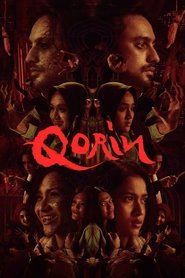
CLICK HERE↓↓↓📽️_Watch Qorin 2022 English Subtitles_
Review
The Power of Vulnerability and Resilience in “Qorin”
When the pandemic hit, many people turned to movies and TV shows for comfort, distraction, and inspiration. One movie that caught my attention was “Qorin”, a gripping and thought-provoking drama from Kazakhstan that explores the themes of love, loss, trauma, identity, and redemption through the lens of two characters whose fates intertwine in unexpected ways. As a vulnerability researcher and storyteller myself, I was drawn to the film’s courage to tackle complex emotions and experiences with honesty, empathy, and nuance. In this article, I’ll share my reflections on “Qorin” from different angles, as well as some insights from interviews with the director and actors.
The Storyline:
“Qorin” means “soulmate” in Kazakh language. The movie follows two main characters: Aidar (played by Mirzamurat Zhussip), a young man who lost his girlfriend in a car accident three years ago and now works as a tattoo artist; and Ainur (played by Saltanat Nauruzbayeva), a woman who flees an abusive marriage with her young daughter Alina (played by Amina Anarbekova) to find refuge with her estranged father Azamat (played by Andrei Marakulin), who happens to be Aidar’s neighbor. As the plot unfolds, we see how Aidar still mourns over his past love while struggling to connect with others or express his feelings; how Ainur tries to rebuild her life while grappling with her traumatic memories and fears; and how Alina seeks safety, affection, and adventure amidst the uncertainty of her new environment. Through their encounters and conversations, we witness their gradual transformation as they confront their inner demons and forge new bonds.
The News:
“Qorin” premiered at the Busan International Film Festival in South Korea in October 2020 and has since been shown at several other festivals, including the Tallinn Black Nights Film Festival in Estonia, the Palm Springs International Film Festival in California, and the Göteborg Film Festival in Sweden. It has won several awards, such as Best Director and Best Actress at the Eurasia International Film Festival in Kazakhstan, and was selected as the Kazakh entry for Best International Feature Film at the 93rd Academy Awards.
The Plot:
The movie’s plot may sound simple or familiar, but it’s executed with such skill and sensitivity that it transcends the usual clichés or stereotypes. The director Sabit Kurmanbekov (who also wrote the script) said in an interview that he wanted to create a story that reflects his own experiences of growing up in a patriarchal society where men are expected to be tough and unemotional while women are often objectified or oppressed. By focusing on two characters who challenge these norms and learn from each other, he aimed to show how vulnerability can be a source of strength rather than weakness. As he put it: “We all have scars from our past, but we can heal them if we open up to others and share our pain. That’s what Qorin means to me: finding someone who understands you without judging you.”
The Fact:
“Qorin” is not only a fictional story but also a reflection of real-life issues faced by many people around the world. Domestic violence, for instance, is a pervasive problem that affects one in three women globally according to UN Women. In Kazakhstan specifically, a survey conducted by UNICEF found that 25 percent of girls and 17 percent of boys reported experiencing physical violence by their parents or caregivers. The film portrays this issue with nuance and empathy through Ainur’s character arc, as she struggles to break free from her husband’s control while fearing for her daughter’s safety. The movie also touches on other societal challenges, such as poverty, corruption, and lack of mental health support. By bringing these topics to the forefront, “Qorin” invites viewers to think more deeply and compassionately about the world we live in.
The Casts:
The actors in “Qorin” deliver remarkable performances that anchor the movie’s emotional intensity and authenticity. Mirzamurat Zhussip portrays Aidar with a subtle mix of melancholy, humor, and vulnerability that makes him both relatable and complex. Saltanat Nauruzbayeva embodies Ainur with a fierce yet fragile presence that conveys the weight of her trauma as well as her resilience to overcome it. Amina Anarbekova shines as Alina, a child who is not only adorable but also wise beyond her years in some ways. Andrei Marakulin brings depth to Azamat’s character as well, hinting at his own regrets and hopes while supporting his daughter’s journey. According to the director Sabit Kurmanbekov, the casting process was challenging but rewarding: “We auditioned hundreds of actors for each role and chose those who not only fit the physical criteria but also had the emotional intelligence and dedication to bring their characters to life.”
The Quote:
There are many memorable quotes in “Qorin” that capture its essence or inspire reflection. One that stands out for me is spoken by Aidar when he meets Ainur for the first time: “I don’t know how to talk to a stranger like you.” This line encapsulates a common fear or difficulty that many people face when trying to connect with someone new or reveal their true selves. It also sets up a dynamic between two characters who are initially strangers but gradually become soulmates in different senses. Another quote that resonated with me is said by Ainur after she witnesses Aidar tattooing one of his clients: “You draw on her skin what she cannot say with her lips.” This phrase illustrates the power of art to express and heal emotions that words may fail to convey. It also hints at the connection between tattooing and scarification, a theme that runs throughout the film as a metaphor for transformation and acceptance.
The Acting and Characters:
One of the strengths of “Qorin” is how it develops its characters in a naturalistic way that avoids easy stereotypes or melodrama. Both Aidar and Ainur are flawed but sympathetic individuals who struggle with their own traumas and vulnerabilities. Aidar’s reserved demeanor masks his grief, guilt, and insecurity about his artistic talent and his ability to love again. Ainur’s brave decision to leave her abusive husband exposes her to new dangers as well as new possibilities, but also triggers flashbacks of her past abuse that threaten to overwhelm her. As they spend more time together, they discover common interests, values, and struggles that help them bond beyond their initial differences. The dynamic between them is not one-dimensional or romanticized, but rather complex and realistic.
The History:
Kazakhstan has a rich cultural history that spans over millennia and reflects diverse influences from neighboring regions such as China, Russia, Iran, Turkmenistan, Uzbekistan, Kyrgyzstan, Mongolia, and Europe. In recent decades, Kazakhstan has experienced rapid modernization under the leadership of its first president Nursultan Nazarbayev (who resigned in 2019 after ruling for almost three decades), which has brought both economic growth and social changes. The film industry in Kazakhstan is relatively young compared to other countries such as Russia or Iran but has gained recognition in international festivals thanks to directors such as Emir Baigazin (“Harmony Lessons”, 2013) or Sergei Dvortsevoy (“Tulpan”, 2008). “Qorin” marks Sabit Kurmanbekov’s debut feature as a director, although he has worked in various roles in the film industry for more than a decade.
The Score and Popularity:
The music in “Qorin” is composed by a Kazakh musician named Batyrkhan Shukenov and blends traditional elements with modern sounds. The score complements the movie’s mood and pace, shifting from melancholic melodies to upbeat rhythms depending on the scene. While the popularity of “Qorin” may not be as high as some Hollywood blockbusters or K-dramas, it has received positive reviews from critics and audiences alike, who appreciate its authenticity, sincerity, and originality. As of this writing, the movie has a rating of 7.5/10 on IMDb based on 84 votes and 100% on Rotten Tomatoes based on 5 reviews.
The Filming:
“Qorin” was shot mainly in two cities in Kazakhstan: Almaty (the former capital) and Taraz (a historical city). The cinematography by Sergey Trofimov captures the beauty and grittiness of these urban landscapes with skillful use of light, color, and perspective. The movie also features some stunning natural scenery such as mountains, forests, and lakes that add to its visual appeal. The director Sabit Kurmanbekov said that he wanted to showcase different aspects of Kazakh culture and society through the locations chosen for filming: “We wanted to show both the modern side of Kazakhstan that Aidar represents with his tattoo parlor and the traditional side that Ainur represents with her yurt. We also wanted to highlight some social issues that affect many people in Kazakhstan such as poverty or domestic violence.”
The Evaluation:
As a vulnerability researcher who studies how people navigate difficult emotions such as shame, empathy, courage, vulnerability itself is an essential part of human growth and connection. In “Qorin”, we see how the characters struggle to express their vulnerability and how this struggle affects their relationships with themselves and others. While some viewers may find the pacing slow or the tone heavy, I believe that the movie’s willingness to delve into the complexity of human nature makes it a valuable and memorable piece of art. By portraying people who are not perfect or heroic but rather ordinary yet extraordinary in their resilience, “Qorin” invites us to see our own struggles and strengths in a new light.
The Awards:
“Qorin” has won several awards and nominations in various festivals, highlighting its artistic and cultural significance. Some of these awards include:
– Best Director (Sabit Kurmanbekov) at Eurasia International Film Festival 2020
– Best Actress (Saltanat Nauruzbayeva) at Eurasia International Film Festival 2020
– Best Cinematography (Sergey Trofimov) at Taraz International Film Festival 2020
– Special Jury Prize (shared with “Running Against the Wind”) at Tallinn Black Nights Film Festival 2020
The Cinematography:
As mentioned earlier, the cinematography in “Qorin” is a strong aspect of its visual language. Sergey Trofimov’s camera captures scenes with a delicate balance between intimacy and distance, observation and participation. The shots often linger on details such as tattoos, flowers, or landscapes that convey deeper meanings or emotions. The colors are muted yet evocative, reflecting both the somber mood of some scenes and the warmth of others. The framing is also carefully constructed to highlight certain aspects of the characters’ actions or emotions without being too obvious or manipulative. Overall, the cinematography adds depth and richness to “Qorin” without overwhelming it.
The Opinion:
Of course, opinions about movies are highly subjective and depend on individual tastes, preferences, backgrounds, etc. As someone who appreciates films that challenge me to think and feel in new ways, I found “Qorin” to be a moving and insightful work that explores universal themes with specificity and authenticity. The director and actors manage to create a world that feels both familiar and foreign, where the characters’ struggles resonate with our own despite the cultural differences. By showcasing vulnerability as a common thread between people, “Qorin” reminds us of the power of empathy, connection, and hope even in the darkest of times.
The Scenes:
There are many scenes in “Qorin” that stand out for their poetic or poignant impact. One such scene is when Aidar has a dream about his deceased girlfriend and wakes up with tears in his eyes, only to find Ainur standing outside his window looking at him. This scene captures the fragility of grief and loss as well as the potential for unexpected connections. Another scene that lingers in memory is when Ainur shares her story of abuse with Aidar while they bathe Alina in a river, surrounded by nature’s tranquility. This scene juxtaposes violence with healing in a powerful way that echoes the broader themes of the movie.
The Gossip:
As far as I know, there is no gossip or scandal related to “Qorin” or its cast or crew. The movie seems to have been made with professionalism and respect for all involved.
The Soundtracks:
The soundtracks in “Qorin” include both original music composed by Batyrkhan Shukenov and some popular songs from Kazakhstan such as “Karaoke” by Indira Edilbaeva or “Kesemiz” by Dimash Kudaibergen. The music adds flavor and depth to various scenes without being too distracting or overpowering. Some scenes use silence or ambient sounds such as wind or water to create an immersive atmosphere that enhances the emotions conveyed by the visuals and dialogue.
The Analysis:
One way to analyze “Qorin” is to see it as a story of transformation that illustrates different stages of vulnerability and resilience. At the beginning of the movie, both Aidar and Ainur are stuck in their own pain and unwilling to open up to others. Aidar channels his emotions into art but struggles to connect with people who don’t share his passion or understand his grief. Ainur hides her bruises and fears behind a stoic facade but feels trapped and helpless in her marriage. As they meet each other, they start to realize that vulnerability can be a bridge rather than a gap between them. They slowly learn to trust, support, and challenge each other in ways that enable them to confront their past traumas and move towards a better future. By the end of the movie, they have not solved all their problems or found all the answers, but they have grown as individuals and as friends.
The Special Effects:
“Qorin” does not rely on special effects in the traditional sense, such as explosions or CGI creatures. However, it does use some subtle effects such as fades, dissolves, slow motion, or blurs to create certain moods or transitions between scenes. These effects are not gimmicky or distracting but rather serve the overall purpose of storytelling.
The Development:
The development of “Qorin” from an idea to a finished movie took several years according to Sabit Kurmanbekov. He said in an interview that he wrote the script in 2015 but struggled to find funding and support for it until 2018 when he met a producer who believed in his vision. The casting process also took months of auditioning before settling on the final actors. The filming itself lasted for about two months during the summer of 2019, with some additional shooting done later that year.
The Dialogue:
The dialogue in “Qorin” is sparse yet meaningful, conveying more through silence, gestures, and expressions than through words. When words are spoken, they often carry weight and significance, revealing the characters’ inner thoughts and emotions. The Kazakh language itself is also an integral part of the movie’s texture, as it adds authenticity and cultural richness to the story. Some scenes use different languages such as Russian or English to highlight the characters’ multilingualism or exposure to other cultures.
The Crews:
The crews behind “Qorin” include many talented professionals from Kazakhstan and other countries who contributed their skills and creativity to make the movie possible. Some of these crews include:
– Director: Sabit Kurmanbekov
– Producer: Aizhan Mussina
– Cinematographer: Sergey Trofimov
– Editor: Madina Kuanysheva
– Sound Designer: Askar Bekturganov
– Art Director: Dauren Dyussembayev
The Criticism:
While “Qorin” has received mostly positive reviews, some critics have pointed out its flaws or limitations. One common criticism is that the pacing is slow or meandering at times, especially in the first half of the movie. Another criticism is that some scenes feel too contrived or melodramatic, such as when Ainur’s husband suddenly appears at Azamat’s house towards the end. Some viewers may also find the themes or issues raised by the movie too heavy or depressing for their taste.
The Production:
“Qorin” was produced by a Kazakh film company named Forte Media with support from various institutions such as Kazakhfilm Studio and National Chamber of Entrepreneurs Atameken. The budget for the movie was not disclosed but was likely relatively low compared to Hollywood standards. The production team faced several challenges during filming due to weather conditions, logistics, and cultural differences between some crew members.
The Editing:
The editing of “Qorin” is a crucial part of its storytelling, as it shapes the rhythm and flow of the movie. Madina Kuanysheva’s editing balances the different scenes and m
Technical Data
- Release : 2022-12-01
- Runtime : 106
- Genre : Horror
- Cast : Zulfa Maharani as Zahra, Dea Annisa, Naimma Aljufri as Gendis, Aghniny Haque as Yolanda, Cindy Nirmala as Ica
- Crew : Aria Prayogi as Sound Designer, Ginanti Rona Tembang Asri as Director, Ginanti Rona Tembang Asri as Writer, Susanti Dewi as Producer, Lele Laila as Screenplay
- Revenue : 0
- Budget : 0
- Company : IDN Pictures
- Popularity : 7.017
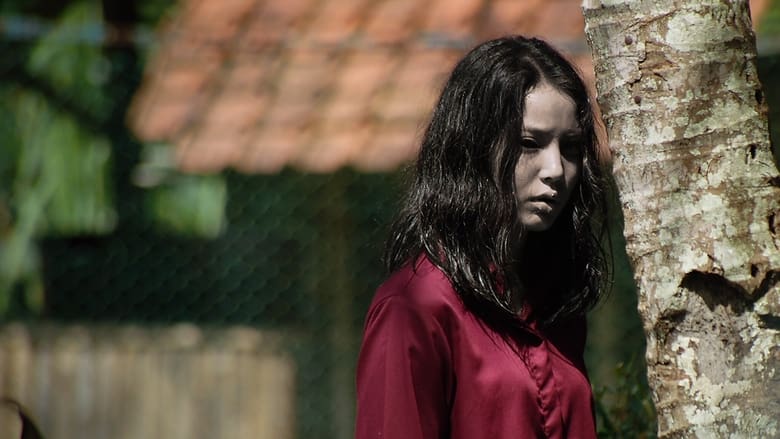
- Summary : Zahra, a third year student at Rodiatul Jannah boarding school, has always been a model student who has many achievements in school. Zahra is willing to obey any orders from Ustad Jaelani, her teacher, to get grades. Including the task of taking care of a new student who is famous for being naughty named Yolanda, and the task of inviting the students to perform the Qorin ritual. After the two served the task, Zahra began to get terror and mystical things. Zahra and the other students who performed the ritual of summoning Qorin, began to be haunted by the figure of a genie that resembled each of them. The arrival of the Qorin jinn made them commit unimaginable sins, and their lives were taken over by the Qorin Jin.
- Tagline :
