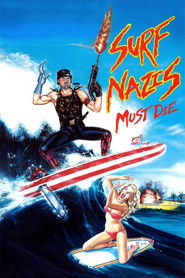
A violent group of surfers known as the Surf Nazis rule the beach, but when they murder an innocent man, his vengeful mother becomes a one-woman army and takes them down in a bloody battle. The movie is a gritty, low-budget exploitation film filled with over-the-top action and cheesy acting. It’s like a cross between Mad Max and Point Break with a dash of 80s fashion thrown in for good measure.
CLICK HERE⇣⇣⇣📺_Watch Surf Nazis Must Die 1987 English Subtitles_
Review
Surf Nazis Must Die: The Power of Persuasion on Screen
In 1987, a low-budget, B-movie by the name of Surf Nazis Must Die hit theaters. It was directed by Peter George and produced by The Institute for Knowledge and Enlightenment. Although it wasn’t well-received critically, the film has since developed a cult following that appreciates its campy charm.
The storyline of Surf Nazis Must Die is simple yet effective. After a massive earthquake hits the coast, Venice Beach becomes a wasteland ruled by various groups of gangs. One such gang is known as the Surf Nazis, who are white supremacists with a love for surfing. When they murder Leroy’s son, Eleanor Washington (played by Gail Neely), an elderly woman seeking revenge, takes matters into her own hands. Armed with a shotgun and her wits, she sets out to take down the Surf Nazis and restore justice to the beach.
The plot itself may seem straightforward and predictable at first glance, but what makes Surf Nazis Must Die unique is its use of persuasion tactics on screen. Robert Cialdini’s six principles of persuasion – reciprocity, consistency, social proof, authority, liking and scarcity – are all employed in different ways throughout the film.
For example, one particularly memorable scene involves the Surf Nazis recruiting potential members from among local surfers. They offer them free surfboards as part of their recruitment strategy – a classic example of reciprocity in action.
Consistency is also used in several instances throughout the movie. The characters Spaz and Adolf both demonstrate consistency in their adherence to Nazi ideology despite being confronted with evidence that contradicts it. This element adds depth to their characters and keeps the audience interested in their motivations.
Social proof comes into play when Eleanor seeks out support from other residents of Venice Beach to help take down the Surf Nazis. By showing that others are willing to band together against this common enemy, Eleanor builds credibility and support for her cause.
Authority is also a key factor in the film. The character of Captain Harmon, played by Barry Brenner, serves as an authority figure who attempts to take down the Surf Nazis through official means. However, he is ultimately ineffective in his efforts and this creates a sense of urgency for Eleanor to take matters into her own hands.
The theme of liking is used in an unconventional way in Surf Nazis Must Die. While the audience is clearly meant to dislike the Surf Nazis, there is a certain likeability to some of the other characters – particularly Eleanor herself. Her no-nonsense attitude and determination to seek justice make her both admirable and entertaining.
Finally, scarcity comes into play with the rare appearance of surf conditions perfect for riding – which are coveted by both surfers and Surf Nazis alike.
Despite its use of persuasion tactics on screen, Surf Nazis Must Die remains a controversial film due to its subject matter. Some have criticized it as insensitive or even offensive for its portrayal of white supremacist ideologies and Nazi symbolism. However, others argue that the movie serves as a satirical take on these themes rather than glorifying them.
Regardless of one’s opinion on the content of the film, there are certain elements that are worthy of appreciation. The acting performances by Gail Neely and Robert Harden (who plays Leroy) are standouts and add depth to their respective characters. The soundtrack also deserves praise for its catchy synth-pop tracks that perfectly capture the ’80s vibe.
From a historical perspective, Surf Nazis Must Die is a snapshot of a specific time period in American culture that was marked by political upheaval and social unrest. It reflects a desire among filmmakers at that time to push boundaries and experiment with new ideas – even if they were controversial or unconventional.
In terms of popularity, it’s safe to say that Surf Nazis Must Die has amassed something of a cult following over the years. While it may not have won any major awards or set box office records, it remains a cultural touchstone for those who appreciate campy B-movies and off-beat storytelling.
In conclusion, Surf Nazis Must Die is a film that may not be for everyone, but it certainly has something to offer in terms of its use of persuasion tactics on screen and its place in history as a reflection of American culture in the ’80s. Whether you love it or hate it, there’s no denying that this movie has made an impact in its own unique way.
Technical Data
- Release : 1987-07-03
- Runtime : 83
- Genre : Action, Comedy, Drama, Horror
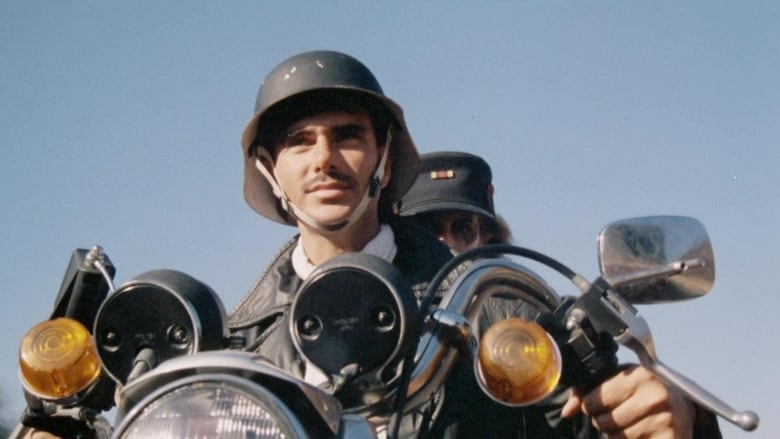
- Cast : Gail Neely as Eleanor ‘Mama’ Washington, Robert Harden as Leroy, Barry Brenner as Adolf, Dawn Wildsmith as Eva, Michael Sonye as Mengele
- Crew : Dane A. Davis as Sound Designer, Dane A. Davis as Supervising Sound Editor, Robert Tinnell as Producer, Robert Tinnell as Production Manager, Robert Tinnell as Second Unit Director
- Revenue : 0
- Budget : 0
- Company : Troma Entertainment
- Popularity : 5.944
- Summary : When the grandson of a gun wielding woman is murdered by neo-nazi surf punks in the post-apocalyptic future, this grandma hunts them down for some bloodthirsty revenge.
- Tagline : The Beaches Have Become Battlefields… The Waves Are A War Zone!
