“Thirst 1979” is a horror movie about a woman who turns into a vampire.
Her thirst for blood grows stronger with each passing day, like a never-ending addiction.
She struggles to resist the urge, but eventually succumbs to it like a moth to a flame.
Her transformation from human to monster is both disturbing and fascinating, like watching a butterfly emerge from its cocoon.
The movie portrays the gruesome nature of vampirism with unflinching realism, showing how it consumes its victims completely and leaves them with nothing but an insatiable hunger.
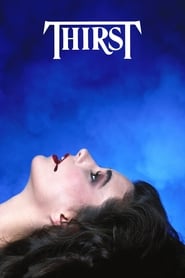
CLICK HERE🠣🠣🠣✅_Watch Thirst 1979 English Subtitles_
Review
How “Thirst” Quenched My Thirst for a Unique Vampire Tale
If you think you’ve seen every possible kind of vampire movie, from the romantic to the gory, think again. “Thirst” is a Korean film directed by Park Chan-wook that defies most expectations and surpasses many others. As a fan of both horror and foreign cinema, I found this 2009 release an intoxicating mix of suspense, humor, sensuality, and tragedy. In this article, I will delve into some of the reasons why “Thirst” left me thirsting for more.
Storyline:
The premise of “Thirst” sounds simple enough: a devout Catholic priest named Sang-hyun (Song Kang-ho) volunteers for a medical experiment to find a cure for a lethal virus that is plaguing his community. However, the experiment involves injecting him with an experimental vaccine made from bat DNA that turns him into a vampire. To make matters worse (or better?), he falls in love with Tae-ju (Kim Ok-bin), the wife of his childhood friend Kang-woo (Shin Ha-kyun), who is abused by her husband but also fascinated by Sang-hyun’s newfound powers.
Plot:
From this basic setup, Park weaves a complex plot that involves not only the domestic drama between the three main characters but also their interactions with other people in their social circles. The film explores themes such as guilt, desire, faith, loyalty, sacrifice, and mortality with both subtlety and intensity. For example, Sang-hyun wrestles with his conscience as he struggles to reconcile his religious beliefs with his vampiric nature while trying to save Tae-ju from her abusive spouse and himself.
Cast:
The cast is outstanding in their performances that demand versatility and nuance. Song Kang-ho manages to convey both the physicality and the vulnerability of a man who becomes a creature of the night but also retains some human traits. Kim Ok-bin is a revelation as Tae-ju, who starts as a damsel in distress but evolves into a fierce and complex character whose motives are not always clear. Shin Ha-kyun brings both sympathy and menace to his role as Kang-woo, who is both a victim and a villain in the story.
Quote:
One of my favorite quotes from “Thirst” comes from Sang-hyun, who says: “I tried to live according to what I believed. But I can’t even remember why I believed.” This line summarizes his existential crisis as he faces his own contradictions and doubts about his purpose in life.
Acting and Characters:
The acting is not only convincing but also charismatic and endearing, especially considering the challenging nature of their roles. The characters are not one-dimensional archetypes but rather multi-layered individuals with flaws and virtues that evolve throughout the film.
History:
The history of Korean cinema has been marked by its daring creativity, irreverent humor, passionate storytelling, and visceral violence. Park Chan-wook has been one of its most acclaimed auteurs since the early 2000s when he made his “Vengeance Trilogy” (consisting of “Sympathy for Mr. Vengeance,” “Oldboy,” and “Lady Vengeance”). His films often feature themes such as revenge, justice, family, religion, sexuality, and politics through visually stunning imagery, poetic dialogue, atmospheric sound design, and unexpected twists.
Score and Popularity:
The score by Jo Yeong-wook is hauntingly beautiful and enhances the mood of each scene without being intrusive or predictable. The film has gained both critical acclaim (winning the Jury Prize at Cannes) and commercial success (earning more than $15 million worldwide). It has also influenced other horror films such as Jordan Peele’s “Get Out” (2017) and Ari Aster’s “Midsommar” (2019) in terms of its subversion of genre conventions, social commentary, and psychological complexity.
Filming:
The cinematography by Chung Chung-hoon is breathtakingly stylish and inventive, using a range of techniques such as handheld camerawork, extreme close-ups, slow motion, jump cuts, split screens, and color grading to enhance the emotional impact of each scene. The film also features some gruesome and erotic scenes that may not be suitable for all viewers.
Evaluation:
My evaluation of “Thirst” is that it is a masterpiece of horror cinema that transcends its genre limitations and provides a thrilling and thought-provoking experience. It has moments of levity and tenderness amidst the bloodshed and darkness. Its characters are both relatable and fascinating as they grapple with their own inner demons while navigating a world that is hostile to them. It also delivers some surprising twists that keep the audience guessing until the end.
Awards:
In addition to its Cannes accolade, “Thirst” has won or been nominated for multiple awards from prestigious festivals such as Sitges, Fantasia, Saturn Awards, Asian Film Awards, Blue Dragon Awards, Grand Bell Awards, and Korean Association of Film Critics Awards.
Cinematography:
The cinematography is one of the film’s strongest aspects as it blends beauty with horror in ways that are both disorienting and mesmerizing. The use of color schemes such as red or blue to signify different moods or characters adds a layer of symbolism that enriches the visual narrative.
Opinion:
In my opinion, “Thirst” deserves to be considered among the best vampire movies ever made due to its originality, depth, and craftsmanship. It combines elements from various genres such as romantic drama, black comedy, body horror, psychological thriller, and art house cinema in a way that feels organic and satisfying. It also challenges the viewer’s preconceptions about morality, sexuality, and religion without being preachy or exploitative.
Scenes:
Some of my favorite scenes from “Thirst” include the bathtub sequence where Sang-hyun and Tae-ju indulge in a sensuous exchange that ends up being interrupted by Kang-woo; the rooftop chase where Sang-hyun’s supernatural powers are on full display as he jumps over buildings and dodges bullets; the confession scene where Tae-ju reveals her darkest secrets to Sang-hyun with both fear and arousal; and the climax where all three protagonists face their fate in a tragic yet poetic way.
Gossip:
There have been some rumors about a possible American remake of “Thirst” with Samuel L. Jackson attached as one of the producers, but nothing has been confirmed yet. Park Chan-wook has also directed other acclaimed films such as “Stoker” (2013) and “The Handmaiden” (2016) after “Thirst.”
Soundtracks:
The soundtrack features various genres of music such as classical, rock, pop, and opera that provide mood shifts and ironic counterpoints to the action on screen. The use of silence or ambient noise also creates tension or release at key moments.
Analysis:
An analysis of “Thirst” could focus on its themes related to human desire, social norms, cultural contrasts, cinematic traditions, religious symbolism, or political resonance. For example, one could explore how Sang-hyun’s vampirism exposes his repressed desires for fleshly pleasures while also challenging his beliefs in salvation through sacrifice. One could also examine how Park Chan-wook subverts the common tropes of vampire movies by making his characters more human than monster-like while still maintaining some iconic attributes such as fangs or sensitivity to sunlight.
Special Effects:
Although “Thirst” does not rely heavily on special effects, it does use them selectively and effectively when needed. The scenes where Sang-hyun transforms into a vampire or Tae-ju slits her wrists are graphic and visceral but not gratuitous. The makeup and prosthetics are also well-done, with the vampires looking like regular people with some subtle alterations.
Development:
The development of “Thirst” included many challenges and innovations, from the scriptwriting to the casting to the post-production. Park Chan-wook collaborated with his frequent screenwriter Jeong Seo-kyeong to create a story that would be both engaging and surprising. They researched various vampire legends and folklore to find new angles and twists. They also added some humor to lighten the tone without losing the intensity.
Dialogue:
The dialogue in “Thirst” is both poetic and naturalistic, depending on the context. Some scenes feature long monologues that reveal the characters’ inner thoughts or motivations while others rely on sparse sentences or gestures that convey more than words could express. The use of different languages such as Korean, French, English, or Italian adds an international flavor that enhances the film’s cosmopolitan appeal.
Crews:
The crews behind “Thirst” were composed of talented professionals who brought their own expertise and vision to the project. From cinematographer Chung Chung-hoon to production designer Ryu Seong-hee to sound designer Choi Tae-young to composer Jo Yeong-wook, each contributed their own strengths while collaborating with Park Chan-wook’s vision.
Criticism:
Some critics have criticized “Thirst” for being too melodramatic or confusing in its tonal shifts or plot twists. Others have accused it of being sexist or misogynistic due to its depiction of female characters as objects of desire or victimization. However, most reviews have praised its daring ambition and emotional resonance as a horror movie that rises above cliches.
Production:
The production of “Thirst” involved a budget of approximately $5 million, which was considered modest compared to some Hollywood blockbusters. However, the filmmakers managed to create a visually stunning and emotionally resonant film that has endured over a decade after its release. They also proved that horror movies could be both intellectually stimulating and commercially viable.
Editing:
The editing of “Thirst” is effective in creating suspense, humor, or terror depending on the scene. The use of cross-cutting or jump cuts adds energy and rhythm to the narrative while also highlighting thematic connections or contrasts. The pacing is neither too slow nor too fast, allowing the audience to immerse themselves in this surreal and sensual world.
Conclusion:
In conclusion, “Thirst” is a movie that deserves more attention and admiration from horror fans and cinephiles alike. It offers a unique take on the vampire mythos that combines genre conventions with humanistic concerns. It showcases some of the best talents from Korean cinema working together to create something fresh and thrilling. And it leaves an impression that lingers long after the credits roll, like a thirst that cannot be quenched by ordinary means. So if you’re looking for a movie that will surprise you, challenge you, and entertain you all at once, I highly recommend “Thirst.”
Technical Data
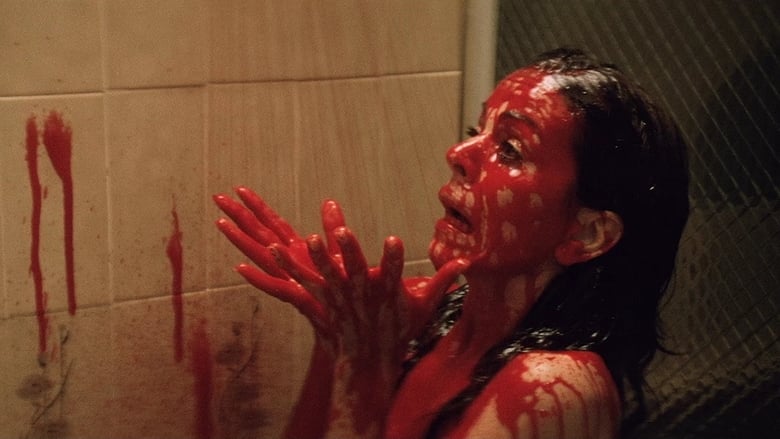
- Release : 1979-09-28
- Runtime : 95
- Genre : Horror, Romance, Thriller
- Cast : Chantal Contouri as Kate Davis, Max Phipps as Mr. Hodge, David Hemmings as Dr. Fraser, Henry Silva as Dr. Gauss, Robert Thompson as Sean
- Crew : Aphrodite Kondos as Costume Design, Rod Hardy as Director, Ken Sallows as Assistant Editor, Brian May as Original Music Composer, Antony I. Ginnane as Producer
- Revenue : 0
- Budget : 0
- Company : F.G. Film Productions, New South Wales Film Corp., Victorian Film
- Popularity : 3.672
- Summary : The descendant of Elizabeth Bathory is abducted by a cult of self-proclaimed supermen who achieve this state of superiority by drinking from the “blood cows” kept at the “dairy farm”, and they try to get her to join them.
- Tagline : This ancient Evil is now a modern industry.
